


In today’s dental reality—where every step is focused on effectiveness and maximum patient comfort—sinus lifting holds a special place. This technique has become widespread because in 4 out of 5 cases involving implant planning for posterior upper teeth, surgeons encounter bone deficiency, especially when the tooth was removed long ago.
The root cause lies in basic human anatomy: in the upper jaw, near the roots of the posterior teeth, are the maxillary sinuses—air-filled cavities. The bone height in this area is naturally limited, and if significant time has passed since tooth extraction, bone resorption can occur, making implant placement impossible. This is when a patient first hears the term "sinus lifting."
Sinus lifting, also known as sinus augmentation, is a surgical procedure aimed at increasing the volume of bone tissue in the upper jaw.
The procedure is performed under local anesthesia and lasts about an hour. During the surgery, the dental surgeon creates access, lifts the sinus floor, and adds bone material to increase the volume and height of the bone.
Sinus lifting can be either open or closed, with the choice depending on the specific case. Sometimes, the surgeon can add bone material simultaneously with implant placement. However, in most cases, open sinus lifting is considered more reliable.
As you now understand, the goal of sinus lifting is to enable dental implantation—either immediately during the bone augmentation procedure or after the bone graft has integrated.
Sinus Lifting in Minsk
Due to high demand, sinus lifting is now offered in many dental clinics across Minsk. For patients, it’s important to choose a doctor they can trust and understand the specifics of how this procedure is performed in local clinics.
One of the key planning tools for sinus lifting is 3D imaging via CBCT (Cone Beam Computed Tomography). This scan provides a detailed 3D view of the upper jaw, allowing the doctor to properly plan the procedure and assess bone volume before sinus lifting and implant placement.
Modern clinics in Minsk also use highly biocompatible bone graft materials, promoting integration and stimulating bone growth in the sinus area. These advanced materials improve the success rate of implant integration after sinus augmentation.
The development of minimally invasive techniques has also positively impacted sinus lifting. If conditions allow, the surgeon may perform a closed sinus lift through the socket of an extracted tooth or the prepared implant site. Less trauma, reduced pain, and faster recovery are clear benefits for the patient.
In this way, advances in dental technology—such as 3D imaging, biocompatible grafting materials, and minimally invasive methods—play a key role in the success and predictability of sinus lifting procedures in Minsk.
When you start researching dental surgeons in Minsk, your search will likely lead you to Dr. Vladimir Leonidovich Sheleg. He has extensive experience in sinus lifting and various types of implant procedures. His professionalism, attention to patients, and drive to advance dental methods make him one of the most sought-after specialists not only in Minsk, but far beyond Belarus.
Dr. Sheleg continuously enhances his skills and stays up to date with the latest global developments in dental surgery and implantology. Patients consistently highlight his attentiveness, empathy, and exceptional clinical skills, which help them feel calm and confident during treatment.
Despite his busy schedule, Dr. Sheleg always finds time to answer questions, address concerns, and ensure that every patient feels secure and supported. His approach has earned him the trust of patients from Belarus, Russia, Lithuania, Latvia, Germany, the USA, and other countries.
If you're interested in treatment but concerned about logistics, SHEDO Dental Clinic's coordinators will assist you with arrangements, including accommodation and support during your stay in Minsk. Contact us—we’ll be happy to answer your questions.
Indications for Sinus Lifting
The main—and only—indication for sinus lifting is the lack of sufficient bone for placing dental implants in the posterior upper jaw.
At this point, the reason for the bone loss (traumatic extraction, long-term absence of chewing load, periodontal disease, etc.) becomes less important, as bone deficiency in this area is very common.
There are few alternatives to sinus lifting. In borderline cases, a surgeon may place a shorter implant or insert it at an angle using a multi-unit abutment, but in cases of significant bone loss, there may be no other option. In severe cases, zygomatic implants may be recommended, but they come with strict indications and limitations.
Patient Recommendations Before Sinus Lifting
If you are scheduled for sinus lifting surgery, consider the following important recommendations:
- Consult an implantologist: Treatment planning is arguably the most critical stage. Provide your 3D scan (CBCT) and listen carefully to the treatment options discussed during the consultation.
- Avoid smoking and alcohol: Refrain from both before surgery, as they can negatively affect healing.
- Disclose medical conditions: Inform your dentist of any existing health conditions or medications to prevent complications.
- Pre-op preparation: Ask about anesthesia—especially if you have allergies—and follow instructions regarding food and drink restrictions.
- Medication management: You may need to temporarily stop taking certain medications, such as aspirin or other blood thinners.
- Prepare for recovery: Stock up on soft foods, pain medications, and post-op care products to ensure a smoother healing process.
- Allocate recovery time: Plan ahead for a break from work or physical activity, allowing time for healing.
- Follow post-op instructions: Carefully adhere to your dentist’s guidelines after the procedure to avoid complications and promote faster recovery.
Following these simple steps will help make your sinus lift experience as smooth and successful as possible. Your cooperation, just like your doctor’s actions, plays a key role in treatment success.
Sinus Lifting: Service Pricing and Material Costs
As with any high-cost procedure, patients often wonder how the price of sinus lifting is formed. Here are the main factors influencing the total cost:
-
Doctor’s qualifications and reputation: Treatment from highly experienced and well-known surgeons may cost more.
-
Case complexity: The more severe the bone loss, the more complex (and potentially expensive) the procedure.
-
Materials used: Costs include anesthesia, sutures, bone graft materials, and other consumables.
-
Equipment and technology: Use of specialized tools and equipment may increase the total cost.
-
Additional services: Pre-treatment procedures like extractions, hygiene, periodontal treatment, or oral sanitation may affect the final cost.
All of the above, plus individual factors, can influence the overall pricing of sinus lifting.
Combining professionalism with sensitivity to patient needs, SHEDO Dental Clinic in Minsk confidently offers sinus lifting as an accessible solution for those seeking complete smile restoration through dental implants. Whether you’re local or planning to travel from abroad, you’ll receive expert care, clear guidance, and support every step of the way.
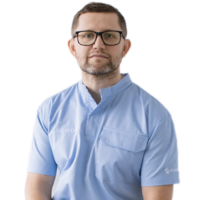
Treatment is performed


Dentist-orthopedic implantologist, second qualification category.
Frequently asked questions
Sinus lift is a surgical procedure aimed at increasing the volume of the upper jawbone for subsequent implant placement.
The main indication for sinus lifting is insufficient height of the bone tissue in the upper jaw for implant placement.
Sinus lifting is an effective procedure for increasing the volume of bone tissue in the upper jaw. It allows implants to be placed when there is insufficient bone height.
The price of a sinus lift procedure can vary depending on the location of the clinic, the experience and qualifications of the dentist, the materials and techniques used. Additional services, if provided, and the individual characteristics of the patient's case also have an impact. It is recommended to discuss all aspects of the procedure and related costs with the dentist to fully understand the expectations and costs of such an intervention.
Please submit your request on our website using the special form, and we will contact you.